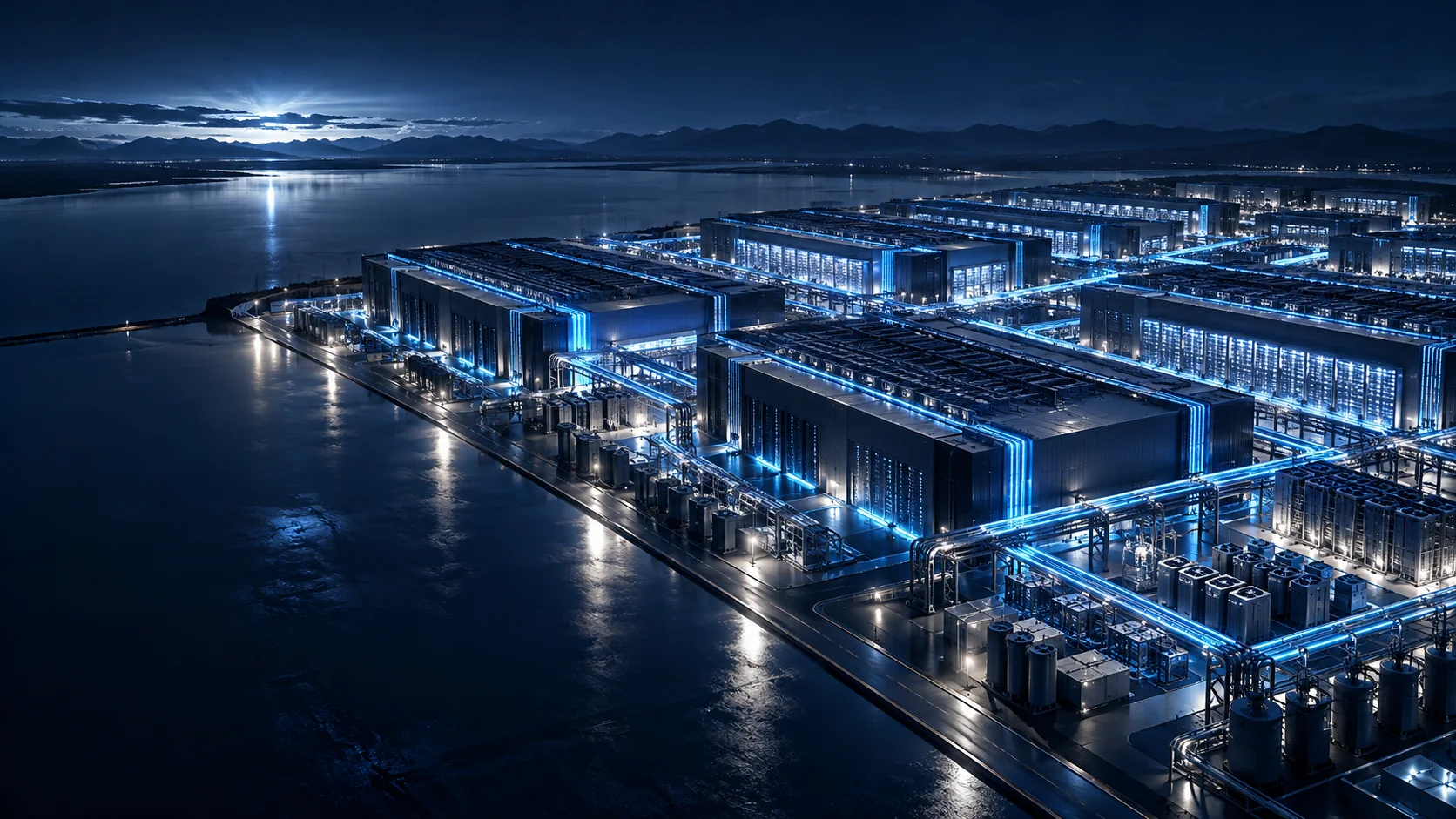
The economically relevant unit is the finished accelerator module, not the compute die. Every layer around the die can limit shipment volume and system performance.
Why bandwidth became strategic
Large AI models move enormous volumes of parameters and intermediate results. A processor can contain exceptional arithmetic capacity and still sit underused when data cannot reach its cores quickly enough. High-bandwidth memory addresses that imbalance by placing stacked memory close to the accelerator and connecting it through very wide interfaces.
This shifts competitive advantage from transistor count alone to the ability to co-design logic, memory, interconnect and software. Performance per watt and performance per rack depend on how the complete package behaves under real workloads.
Packaging is now part of the product
Advanced packaging combines multiple dies, memory stacks and interposers into one module. The process requires precise bonding, thermal control and testing. A defect in one component can reduce the yield of a much more valuable assembly, which makes process discipline and known-good-die testing economically important.
Capacity expansion is also harder than adding a conventional assembly line. It depends on specialized tools, materials, substrates and engineers. The slowest element can cap total accelerator shipments even when leading-edge wafers are available.
Follow the yield chain
A useful supply-chain model starts with wafer output but does not stop there. It tracks usable logic dies, qualified memory stacks, interposer capacity, packaging throughput and final module yield. The gap between any two stages reveals where scarcity and pricing power can appear.
- Memory generation and qualification schedule.
- Packaging capacity reserved for specific accelerator designs.
- Substrate and interposer availability.
- Thermal design limits at module and rack level.
The broader investment map
The beneficiaries extend beyond memory manufacturers and foundries. Inspection, metrology, bonding equipment, specialty materials and thermal components all participate in the finished system. Their value is tied to complexity: more heterogeneous integration creates more process steps, tighter tolerances and a greater need for verification.
The central question is not which component sounds most advanced. It is which component sits on the critical path, has limited substitutes and captures value without being rapidly commoditized.
- 01
Analyze the finished accelerator module, not the logic die in isolation.
- 02
Packaging yield and HBM qualification can cap system shipments.
- 03
Equipment, materials and thermal control gain importance as integration complexity rises.